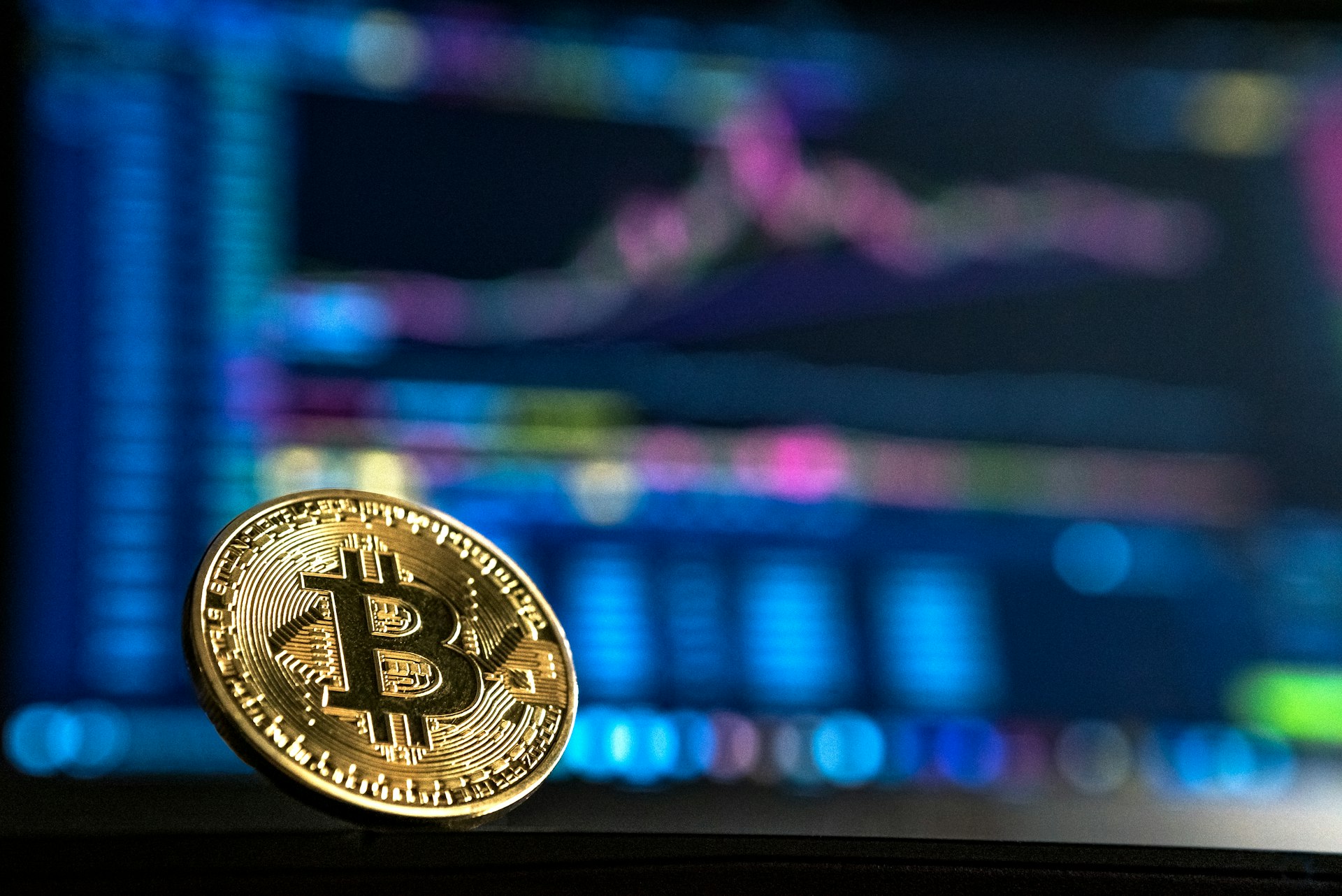
It's December 2020 and bitcoin is in the news again as it's making all time highs against the US Dollar. I was asked recently: is bitcoin money? That's a great question and worth exploring.
When the creator of the Bitcoin protocol, Satoshi Nakamoto, wrote his white paper on Bitcoin in October 2008, he describes it as a Peer-to-Peer Electronic Cash System.
Well we know cash is the physical form of money such as bank notes and coins, but does that make bitcoin money?
Before we answer that, we need to understand what money is first. Money is usually described as these three functions:
- Medium of Exchange - Ease which a currency can be exchanged for products and goods
- Unit of Account – Prices quoted in terms of money rather than other goods
- Store of Value – A mechanism by which wealth can be saved and retrieved in the future
These are functions of money – not a definition of money itself.
Money – is a belief
Money is actually a belief. Let me show you by example.
I want to buy a shirt for €50.
The shop keeper hands me a shirt plus a bill for €50.
I pay her a €50 bank note.
We both believe the debt is settled and I walk out of the store with my shirt.
The value assigned to the bank note is not intrinsic. In the above example we both did not give the bank note its worth based on its paper value. Its value is the shared belief that it is worth €50 backed by the European Central Bank.
It's not just me that thinks money is a belief or even a shared illusion. There are many psychologists that also think this too.
"As far as I can tell, money is a shared illusion" - Adam Waytz, Psychologist, Northwestern University
The question becomes – Do you believe bitcoin is money?
For me, the answer is no, bitcoin to me is a commodity.
Why?
- I get paid in Euro
- I pay my taxes in Euro
- I pay my bills in Euro
Almost two years after he wrote his white paper, Satoshi Nakamoto himself also considered bitcoin as a collectible or a commodity.
Counter Argument
If you come from a country where your government printed your national currency out of existence and if you tell me bitcoin is money, I will respect your beliefs.